
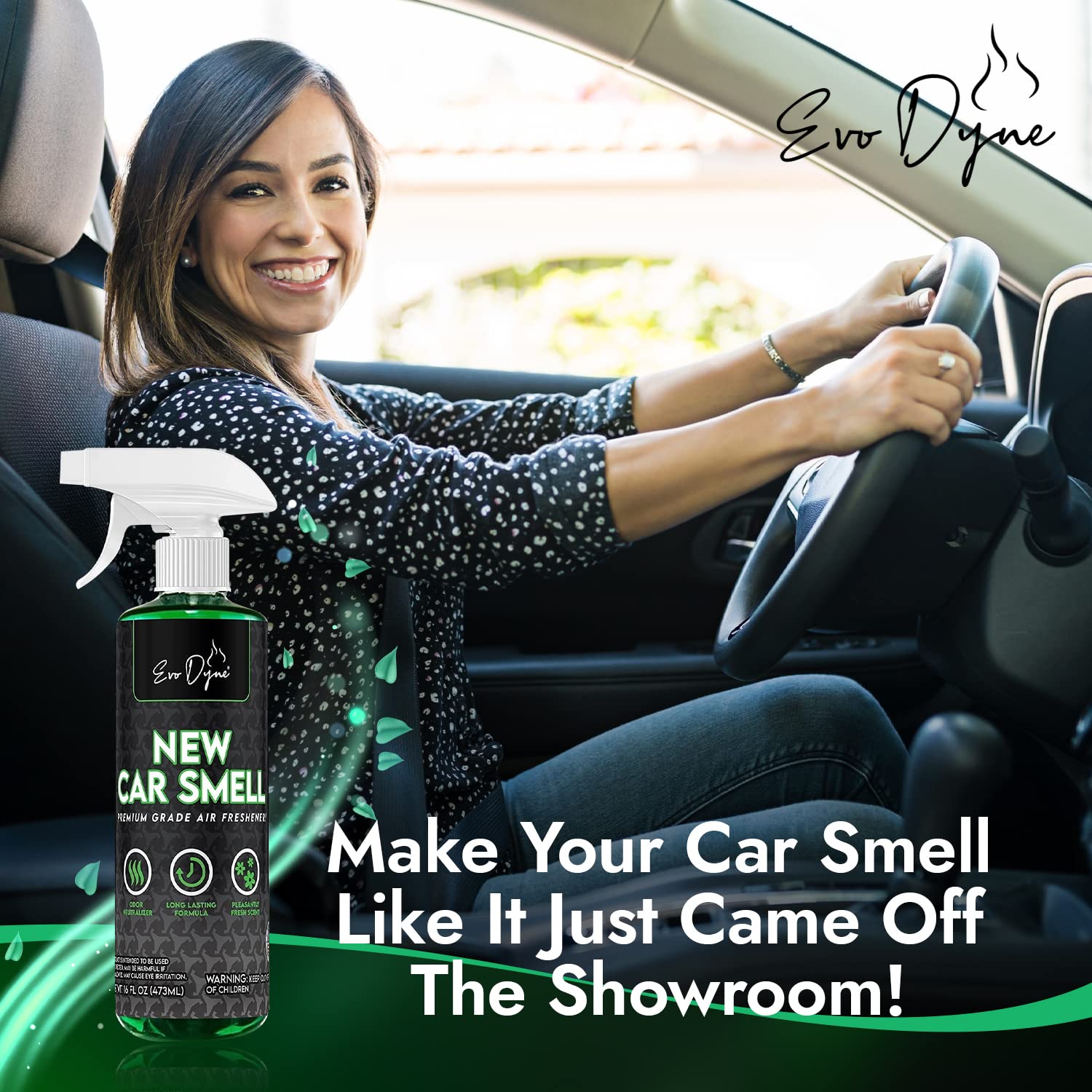

You open the car door on Monday and get that satisfying burst of leather, citrus, or “new car” fragrance. By the end of the week, you're leaning toward the vent, wondering whether the freshener has vanished or your nose has adapted. In many cases, the product hasn't failed. Your cabin has been accelerating its evaporation.
The practical answer to how to make car air freshener last longer isn't always buying the strongest formula. Heat, sunlight, and moving air control how quickly fragrance leaves the carrier, so placement and HVAC habits can matter as much as the product itself. A few changes can turn a short-lived scent into a steadier, cleaner cabin experience.
Why Your Car Scent Fades So Quickly
A freshener that smells powerful on its first day often creates the wrong expectation. You unwrap a hanging card, place it near the mirror, and enjoy a concentrated cloud of fragrance during the first commute. Then the exposed surface keeps releasing volatile compounds, and the scent becomes noticeably weaker before the product looks empty.
Classic hanging cardboard and paper formats typically provide about 1 to 3 weeks of noticeable scent, while vent clips and gel canisters generally extend that to roughly 4 to 8 weeks in ordinary driving conditions, as outlined in this guide to car air freshener lifespans. Those are practical ranges, not guarantees. A parked car in direct sunlight behaves very differently from a shaded vehicle used for short, gentle trips.
Practical rule: Judge a freshener by its scent consistency, not by the strength of its first afternoon.
The cabin also collects competing smells. Food wrappers, damp floor mats, sports equipment, upholstery, smoke residue, and pet hair can all add background odor. When those smells are present, drivers often respond by adding more fragrance, but that can produce a heavy mixture instead of a clean result. Removing the source gives your chosen scent less work to do.
A useful first step is a proper cabin reset. Remove rubbish, vacuum the carpet and seat gaps, wipe hard surfaces, and check mats for moisture before replacing the fragrance. For additional ideas on achieving a fresh car interior naturally, focus on cleaning and ventilation before reaching for a stronger product.
The label can't account for your parking habits, climate, fan settings, or how often you drive with the windows open. Your routine determines the actual lifespan.
The Hidden Impact of Heat and Airflow
Fragrance materials evaporate more readily as temperature rises. A vehicle cabin can heat rapidly behind glass, and the freshener then releases scent faster than it would in a cooler, shaded environment. Direct airflow adds another problem by carrying fragrance away from the product and increasing the exchange of air around its surface.
A 2022 Wiley study on vehicle interior odors identified three decay pathways: rapid vaporization from increased temperature, continued diffusion from materials, and fragrance chemicals from the customer. Independent testing also found that standard vent clips lost 68% of measurable scent intensity after 11 days in simulated cabin conditions at 85°F and above, as reported alongside the vehicle interior odor research.
That result explains why a vent-mounted product can smell intense while the fan runs, then seem weak soon afterward. The vent is doing exactly what it was designed to do, moving air. Unfortunately, continuous high airflow can also pull fragrance through the cabin faster than a passive product can replenish it.
Three environmental pressures
- Heat exposure: Sunlit dashboards, windshields, and closed cabins encourage faster fragrance release.
- Air movement: High fan speeds increase contact between moving air and the fragrance surface.
- Cabin exchange: Open windows and frequent ventilation carry scented air outside instead of allowing it to remain in the cabin.
This makes longevity partly an HVAC-management problem. Use lower fan settings when you want to preserve a vent clip, and don't leave passive formats in direct sunlight. If the scent becomes overpowering, reduce the airflow rather than immediately removing the product. If the cabin feels stale and the scent has weakened, a brief period of moderate airflow can distribute what remains.
The main lesson is simple: nominal oil volume doesn't tell you how long the scent will last. A smaller product in a cool, sheltered location can outperform a larger one exposed to heat and a constant fan blast.
Strategic Placement for Maximum Endurance
The rearview mirror is convenient, but it's rarely the best location for longevity. A hanging freshener near the windshield receives direct solar exposure and sits in one of the cabin's most heat-prone zones. It also swings with the vehicle, exposing different surfaces to warm air and accelerating the initial release.
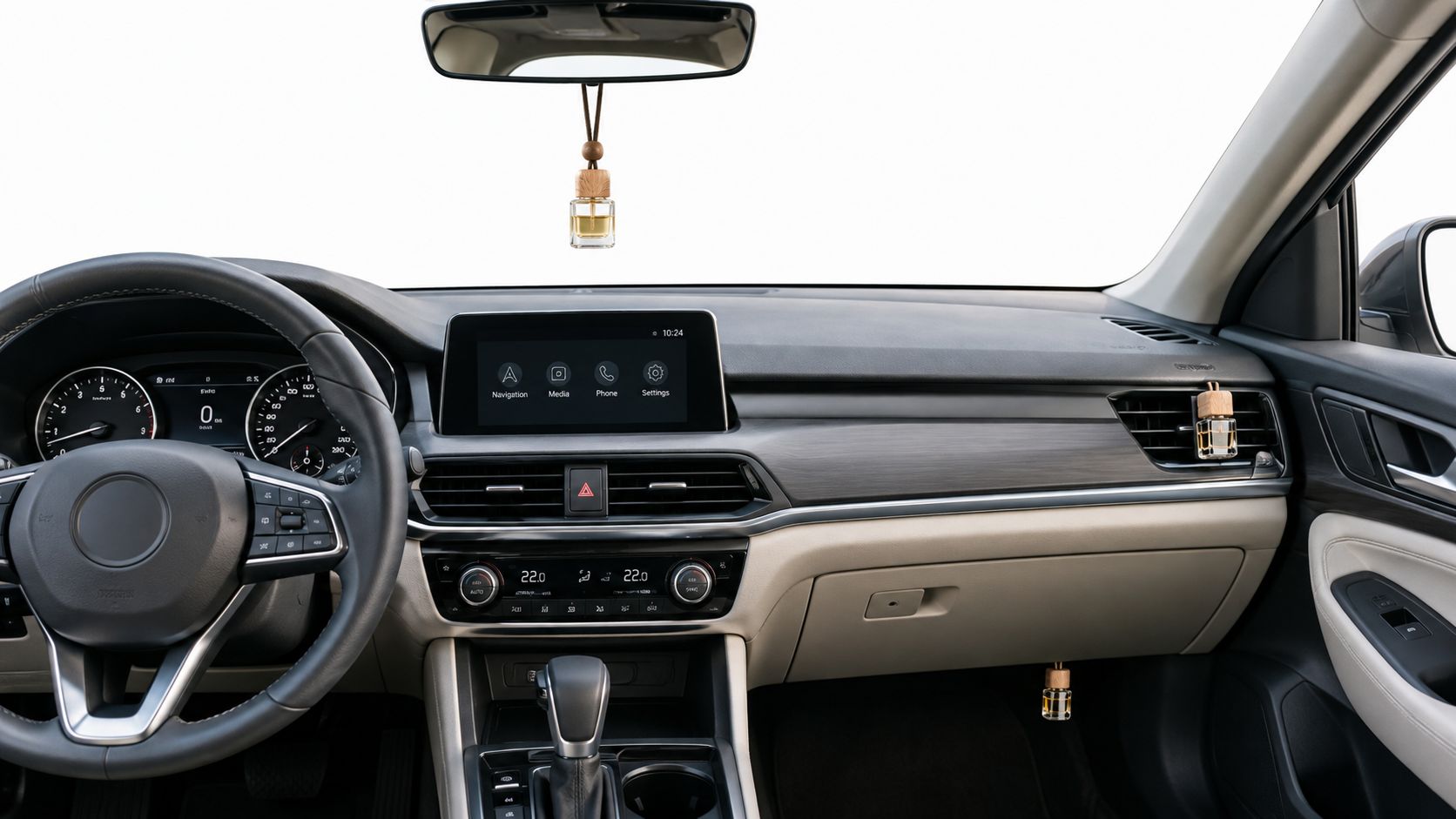
For passive gels, solids, and other formats that don't need a vent to work, choose a cooler, calmer cabin zone. An under-seat position or a cup holder away from direct sun can provide gradual diffusion without exposing the product to a continuous blast of heated or chilled air.
Match the location to the format
Hanging cards and bottles should sit away from the windshield whenever possible. If you prefer a hanging style, use a shaded position with enough clearance that it won't touch trim, obstruct visibility, or spill onto a surface.
Gel canisters and porous solids work well in a cup holder, door pocket, or under-seat area, provided the container stays upright and can't roll beneath the pedals. These locations reduce direct radiation and help prevent a first-day scent dump.
Vent clips need controlled exposure. Attach one to a vent that isn't aimed directly at your face, keep the vent partially closed if the design allows it, and avoid leaving the fan on high for the entire journey.
Placement can overwhelm the advantage of extra fragrance. In one reported hot-climate test, 83% of gel fresheners lost more than 70% of detectable intensity within 19 days when mounted on a south-facing windshield, according to this analysis of freshener placement and heat exposure.
Use this simple placement check before driving:
- Look for sunlight. Move the product if direct rays reach it during your usual parking hours.
- Check the airflow. Close or redirect the vent if air is striking the freshener continuously.
- Secure the container. Prevent movement, tipping, and contact with hot or delicate surfaces.
- Test gradually. Give the new location time to settle before deciding that the product is too weak.
A shaded location won't make a poor freshener excellent, but it removes one of the biggest causes of premature depletion.
Choosing and Throttling Release Mechanisms
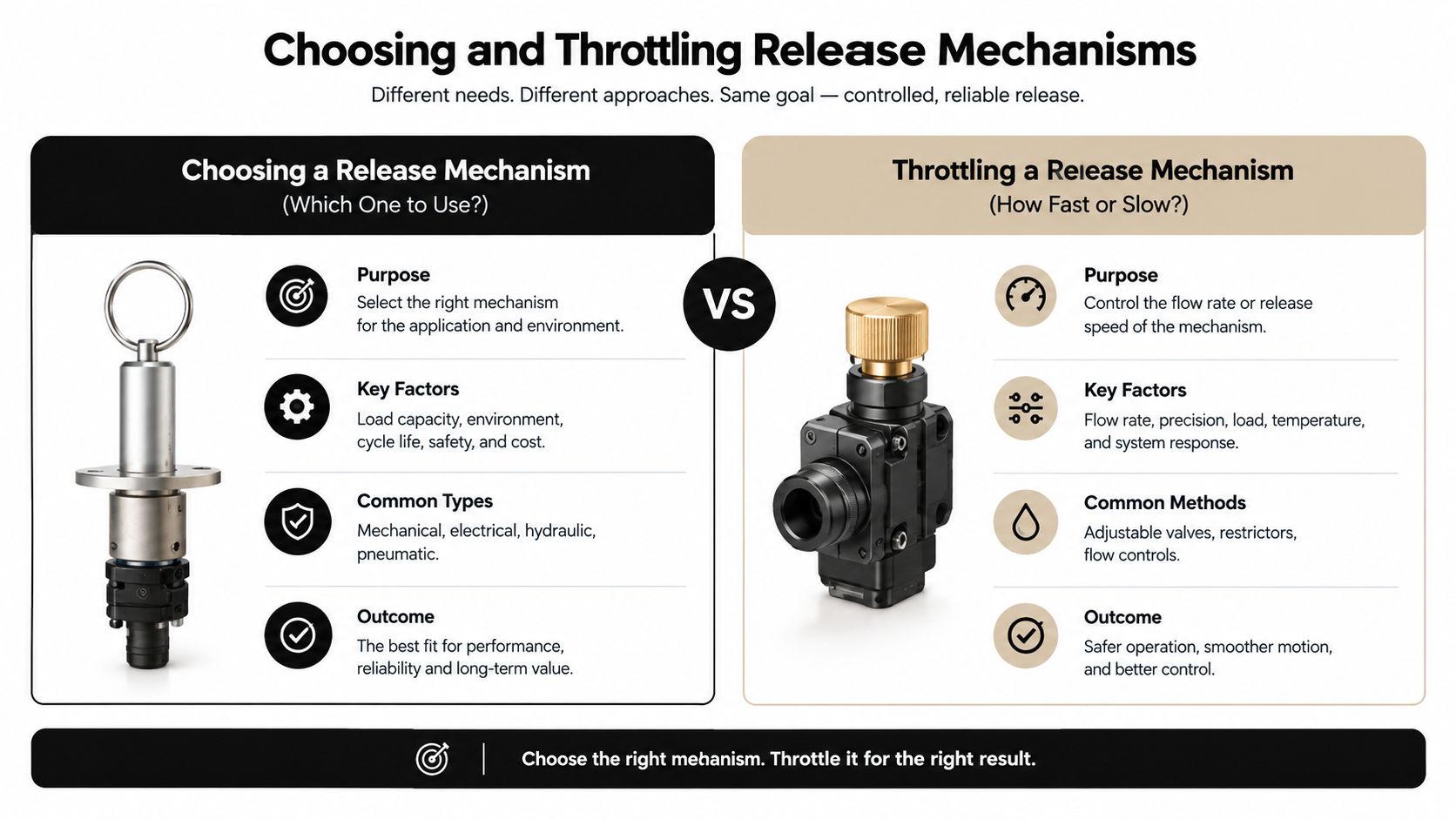
The delivery system controls how quickly fragrance enters the cabin. Sprays offer immediate control, but each application creates a brief burst. Hanging paper releases scent from an exposed carrier and can fade rapidly inside a hot vehicle. Gels, porous solids, and polymer-membrane vent clips release fragrance more gradually, making them easier to manage over daily driving.
Independent comparisons commonly place real-world durations at 22 to 38 days for vent clips, 24 to 31 days for gels, and 48 to 72 days for pressed solids in moderate-use conditions. Stable polymer vent clips retained about 58% intensity at day 42 in the same comparison of car freshener release mechanisms. Actual performance still depends on cabin temperature, sun exposure, and how directly moving air reaches the product.
Choose for steadiness, not impact
A powerful first-day scent often means the product is releasing fragrance too quickly. More stable systems exchange that initial punch for a steadier output. In practical terms, a moderate scent that remains consistent is easier to live with than one that overwhelms the cabin in the morning and seems gone by the weekend.
Choose the most durable format that suits your cabin, then give it 14 days before judging its performance. Early impressions can be misleading while the product settles into its surroundings and your nose adjusts to the fragrance.
Throttle the airflow
Control evaporation by managing exposure. If a passive unit smells too strong, move it away from direct airflow or reduce the vent setting. If the scent weakens, give it modest air movement before replacing it. A vent clip usually lasts longer at a lower fan setting, with the vent redirected, or with that vent partially closed when practical.
Place gels and solids in a sheltered position rather than directly in front of an air outlet. The goal is controlled circulation, not complete isolation. A shaded area with limited air exchange slows fragrance loss while still allowing enough scent into the cabin.
Sprays remain useful for a quick refresh after cleaning, before a trip, or for targeted coverage. Avoid repeated heavy applications to cover smoke, dampness, or food residue. Fragrance may hide those odors briefly, but removing the residue or moisture addresses the source and reduces the load on the freshener.
Layering Scents and Neutralizing Odors
A car can smell stronger without smelling cleaner. Fragrance output and odor control are different jobs, and treating them as the same is why many cabins develop a thick, mixed scent. The better approach is to establish a neutral baseline, then add a controlled fragrance layer.
Start with the source. Empty the cabin, vacuum fabric and carpet, clean cup holders, wipe the dashboard, and wash removable mats. If a spill or damp textile remains, any freshener has to compete with it continuously. Families and pet owners should also inspect seat seams, cargo-area liners, and the space beneath child seats, where debris and odor can hide.
Build the cabin in layers
A passive charcoal product can work in the background while a separate fragrance product handles the sensory finish. Charcoal-based or passive diffuser products can remain effective for over 60 days and continue adsorbing VOCs after the scent fades, offering odor removal that lasts longer than conventional fragrance output, as noted in this guide to passive odor-control products.
Use the layers in this order:
- Clean the source: Remove residue, moisture, rubbish, and trapped debris before adding scent.
- Absorb the background: Place a passive charcoal product in the cabin or cargo area where persistent odor collects.
- Add controlled fragrance: Use a gel, solid, vent clip, or light spray once the underlying smell has been reduced.
- Keep profiles compatible: Pair clean, mild notes rather than combining several strong fragrances that compete for attention.
Sprays are most useful as a finishing tool. Apply a light amount to appropriate hard or fabric surfaces only when the product directions permit it, and avoid saturating seats, belts, steering-wheel surfaces, or areas that can become slippery.
Smoke requires more than fragrance. Residue can remain in upholstery, headliners, carpets, and ventilation pathways, so a dedicated detailer's smoke odor protocol is a better reference than adding a heavier scent. The same principle applies to pet and food odors. Persistent smells need cleaning or adsorption first, then fragrance as the final layer.
Maintenance Routines and Proper Storage
A long-lasting freshener performs better in a maintained cabin. Dirt and moisture create odors that force you to use more fragrance, while heat can degrade unused products before you ever install them. A short routine keeps both the vehicle and your backup supply ready.
Use a repeatable cabin routine
Once a week, remove rubbish and check the floor mats. Vacuum the seat rails, carpet edges, and cargo area, then wipe the high-contact hard surfaces. If a mat or carpet feels damp, dry it before closing the car for an extended period.
At each wash, inspect the freshener itself. Look for leakage, residue, cracking, or a container that has shifted into direct sun or airflow. Replace the product when it no longer performs, not just because the carrier still looks wet.
For a practical checklist on maintaining your detail between appointments, focus on small cleaning actions that prevent contamination from becoming a permanent cabin odor.
Store spare sprays, gels, cards, and solids in their original sealed packaging. Keep them in a cool, dry indoor location away from direct sunlight and heat sources. Don't leave unopened stock in a hot car, on a dashboard, or in a garage that regularly experiences strong temperature swings.
The same applies to partially used products. If a paper format includes a protective sleeve, use it during periods when you won't drive for several days. Keep spray caps closed and store containers upright to reduce leakage and unnecessary exposure.
You can also use this year-round car freshness guide to turn the routine into a simple schedule. The core system is straightforward: clean the cabin, shelter the product, moderate airflow, and refresh lightly instead of flooding the interior.
Evo Dyne Products offers vehicle options such as Leather Scent Car Spray and New Car Smell Spray for drivers who want a controlled fragrance refresh alongside good cabin maintenance. Visit Evo Dyne Products to explore its car-care range and choose a spray that fits your cleaning and scent routine.