


Your dog is chewing one flank, stopping, then circling back to the same spot five minutes later. The skin looks a little red, maybe a little damp, and you're trying to decide whether this is a one-off nuisance or the start of something that's going to get worse tonight. Dog skin irritation relief works best when you treat it like a triage problem first, a comfort problem second, and a home-remedy problem last.
Skin irritation in dogs is common enough that it deserves a calm plan, not panic. A 2024 review estimated canine atopic dermatitis prevalence at 3% to 15%, and a study of 31,484 dogs at 52 U.S. veterinary practices found 4.7% were diagnosed with atopic or allergic dermatitis or atopy, while Cornell notes estimates can reach 10% to 15% depending on population and method (PMC review and prevalence data). Market data also show this isn't a niche issue, because nearly 9 in 10 U.S. dogs are considered “itchy dogs” by their owners, which the report translated to about 79 million dogs from 89 million U.S. dog-owning households (Elanco 2025 report).
A First Hour Plan for an Itchy Dog
A dog that's chewing at the same spot is often telling you the itch-scratch cycle has already started. The first hour is about stopping more damage, checking for obvious triggers, and deciding whether this looks like simple irritation or a problem that needs a clinic.
Start by preventing self-trauma
Put on an e-collar or a fitted T-shirt if the dog keeps licking, chewing, or rubbing the area. That matters because even “mild” itch can turn into raw skin fast once saliva, friction, and heat keep hitting the same patch.
Practical rule: If your dog can reach the spot and won't leave it alone, assume the skin will get worse until you block access.
Then take a close look under good light. Check the belly, paws, armpits, tail base, groin, and ears for fleas, flea dirt, a moist patch, scabs, or a sharply defined red area. If the dog seems painful, has a foul odor, is lethargic, or the skin looks wet and angry, home care shouldn't be the only plan.
Use a gentle clean-up, not a treatment binge
If the skin isn't open or actively bleeding, rinse the area with lukewarm water and keep the contact gentle. Pat dry with a clean towel, don't rub, and keep the dog in a cool room while you watch whether the scratching settles or escalates.
A lot of owners make the mistake of layering on whatever soothing product is closest. That backfires when the actual issue is infection, a hot spot, or parasites, because you've covered the surface without stopping the cause.
Decide whether this is calm enough for home care
If the dog is alert, the skin is only mildly red, and you can see a plausible trigger like a dirty coat, outdoor pollen, or one small irritated patch, home care may be reasonable for the moment. If the irritation is spreading, oozing, or focused on ears and paws, you're looking at a pattern that often needs diagnosis, not guesswork.
The best next move is to keep the dog from scratching, clean the coat carefully, and watch for change over the next few hours instead of chasing half a dozen products at once.
Common Causes and Signs Worth Knowing
Most itchy dogs fall into a handful of patterns, and the clues at home are usually different enough to narrow the list. The goal isn't to diagnose with certainty from the couch, it's to recognize which bucket the problem fits so you can choose the right next step.
A quick way to sort the usual suspects
Flea problems often cluster at the tail base, belly, and inner thighs, and flea allergy can trigger intense itch after only a small exposure. Environmental allergies more often show up as paw chewing, belly licking, face rubbing, or seasonal flares, while yeast and bacterial overgrowth tend to add odor, grease, crusting, or patchy hair loss.
Hot spots are a different category because they're fast-moving, moist, and painful. Cornell's guidance notes they can worsen quickly if licking continues, and hot spots older than 24 hours are likely infected and warrant a vet visit (Cornell and hot spot guidance).
| Quick recognition guide to common skin irritation causes | |||
|---|---|---|---|
| Likely cause | Where it shows up | What it looks or smells like | Owner red flag |
| Fleas or flea allergy | Tail base, belly, thighs | Scratching, small scabs, flea dirt | Itch that keeps returning after grooming |
| Environmental or seasonal allergy | Paws, belly, face, ears | Paw licking, face rubbing, seasonal flare | Recurrent ear trouble or widespread itch |
| Yeast overgrowth | Ears, paws, folds | Greasy skin, musty odor, redness | Strong smell or dark debris in ears |
| Bacterial overgrowth | Hot, inflamed patches | Crusting, pustules, hair loss | Rapid spread or tenderness |
| Hot spot | Neck, hips, flank, rump | Wet, raw, painful patch | Pain, oozing, or worsening within a day |
If winter dryness is part of your dog's pattern, a focused guide like winter allergy relief for dogs can help you think through seasonal triggers without assuming every flaky coat is the same problem. The useful question is whether the dog is dry, allergic, infected, or self-traumatizing, because those need different responses.
What owners usually miss
A sudden flare that seems “just itchy” can be a skin disease that needs treatment based on cause, not comfort alone. Popular consumer advice often leans hard on oatmeal, aloe, or other soothing steps, but those don't tell you whether you're dealing with a skin fold infection, a flea reaction, or a hot spot that needs a vet exam.
Not every red patch is a simple rash. If the dog is painful, smelly, or localizing the itch to one spot, think infection or self-trauma first.
That's why the location, smell, speed of change, and how hard the dog is licking matter as much as the redness itself.
Safe Immediate Relief Steps at Home
Maya, a medium-haired spaniel mix, starts licking one flank after a walk. The skin is pink, not raw, and she's still acting normal, so the first move isn't a cabinet raid, it's a small, safe routine that stops the itch from gaining momentum.
Interrupt the itch loop first
For Maya, the owner puts on a soft cone because she keeps reaching the spot. If the dog hates the cone, a fitted T-shirt can work for a belly or flank flare, as long as it doesn't trap moisture on a wet patch.
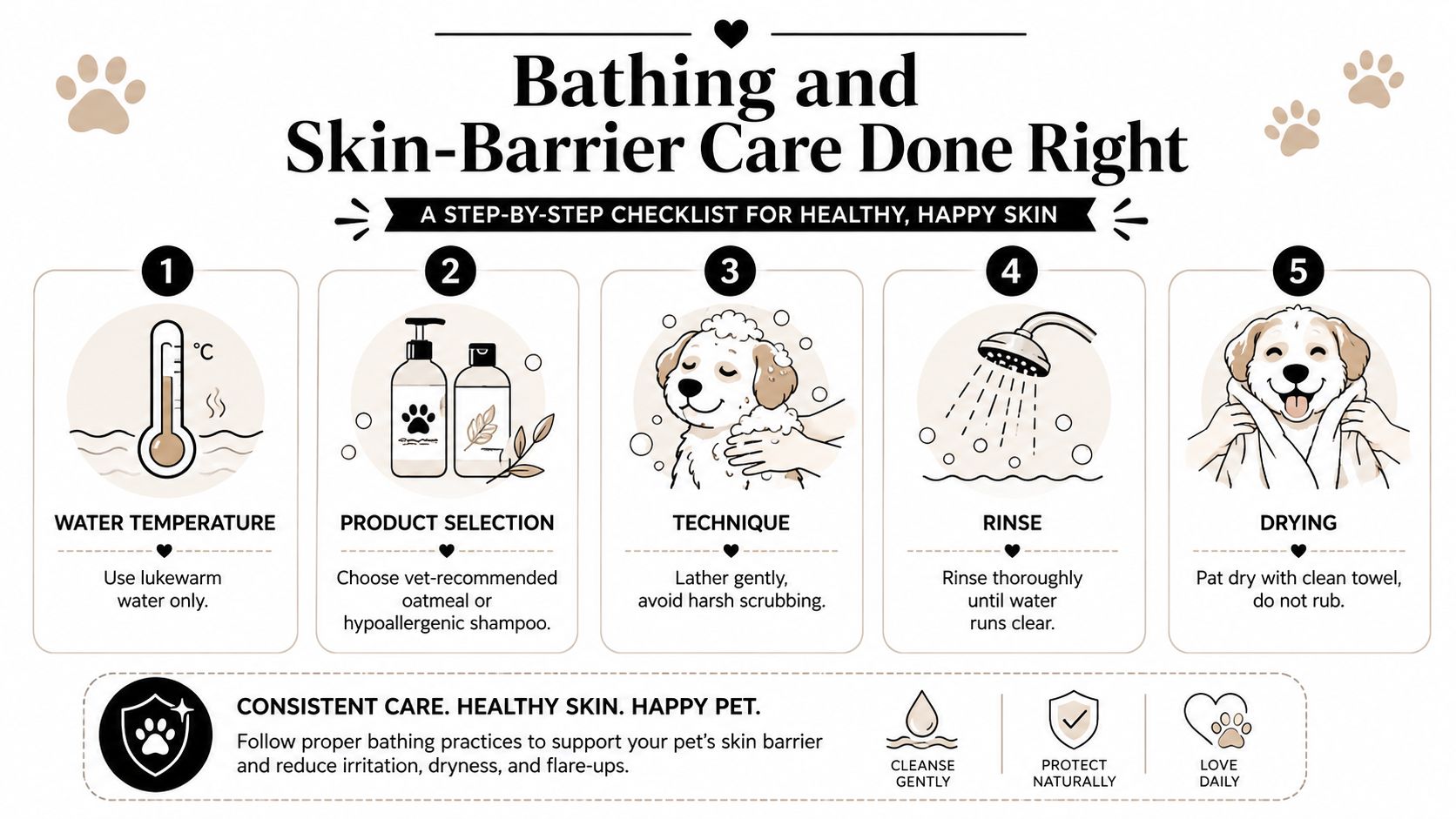
Then the coat gets a lukewarm rinse, not a hot bath and not a scrub session. The goal is to remove obvious irritants like pollen, debris, or dried saliva without inflaming the skin more.
Keep the skin calm after rinsing
Once the area is clean, pat it dry. Rubbing can turn mild irritation into a bigger flare, especially if the skin barrier is already compromised.
A cool, low-stress room helps more than owners expect. Heat, excitement, and rough play can all make the dog notice the itch more, which is why this first hour should look boring on purpose.
A thick balm on a weeping patch is usually a mistake. If the skin is wet, smelly, or sticky, stop and get it checked before sealing it under an ointment.
Don't stack products too fast
It's tempting to try shampoo, balm, spray, and a wipe all in one evening. That usually makes it harder to tell what helped and what irritated the skin, and it increases the chance the dog licks something off before it has time to work.
If the dog seems comfortable after the rinse and the scratching slows, you've bought time. If the dog keeps working the same spot, or the area starts to ooze, the problem is moving out of the “simple home relief” lane.
Bathing and Skin-Barrier Care Done Right
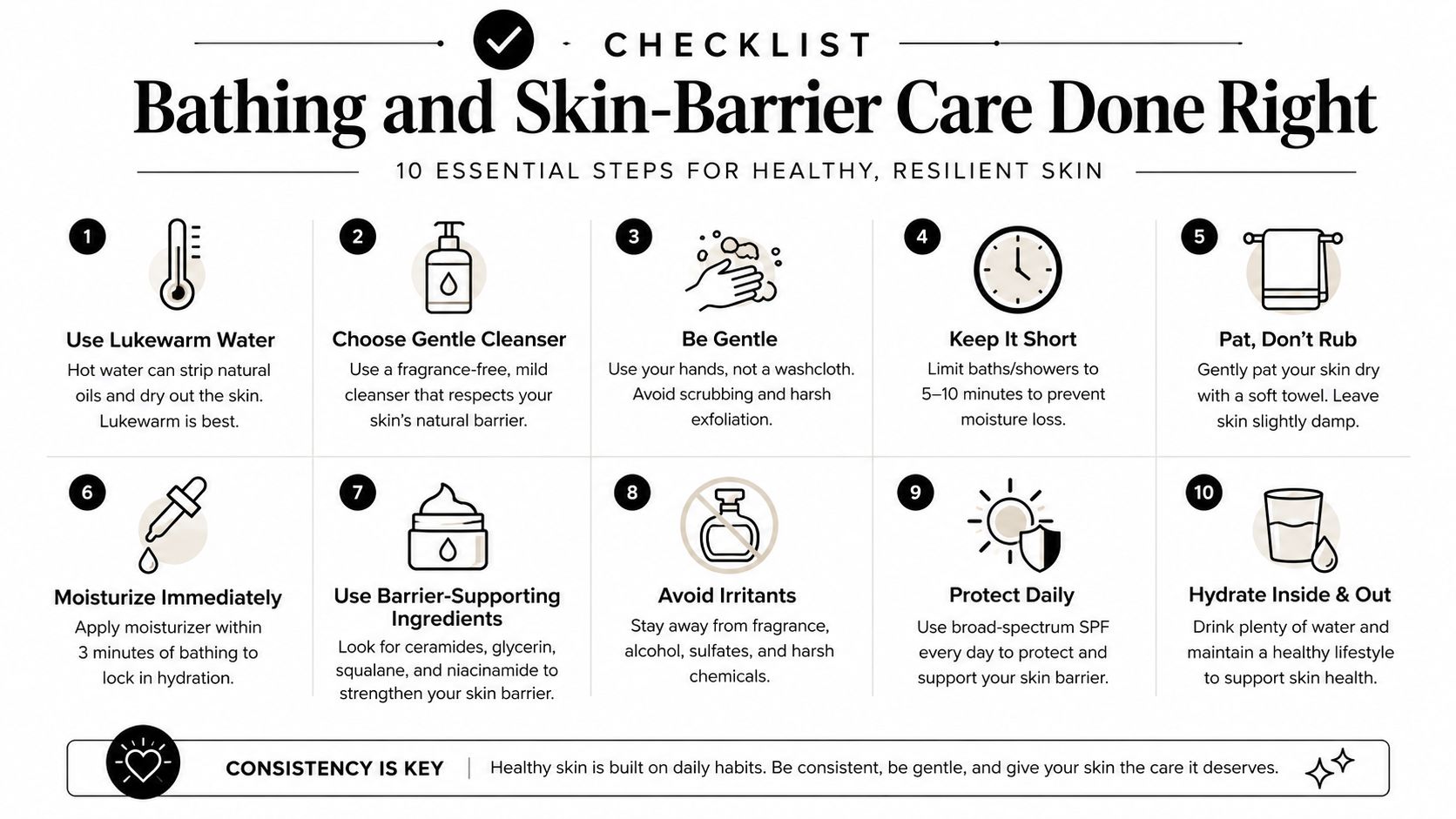
Bathing isn't a side note in itchy-dog care, it's one of the few tools that can lower itch while supporting the skin barrier when it's done correctly. International and AAHA guidance recommends bathing at least once weekly with a mild shampoo and lukewarm water, and notes that bathing intensity and frequency can be among the most important factors for itch relief in atopic dogs (veterinary dermatology guidance).
Use the bath as treatment, not just cleanup
A mild, fragrance-light shampoo is usually the safest starting point for routine flares. If you use a medicated product, dilution matters, because many medicated shampoos are mixed at about 1 part shampoo to 3 to 4 parts water and left on the skin for about 10 minutes before rinsing, since contact time is what lets the active ingredient work (veterinary bathing protocol).
That contact time is easy to rush and hard to fake. Rinsing too quickly, using hot water, or scrubbing like you're washing a rug cuts against the point of the bath and can leave the skin more irritated than before.
Match the product to the coat and the problem
Thick coats often need clipping so the shampoo reaches the skin. If debris, oil, or biofilm stays on the lesion, the actives have a harder time contacting the target, so pre-cleaning isn't cosmetic, it's part of the treatment.
The same routine is useful for dogs with recurring bacterial or yeast overgrowth, but the product choice should fit the pattern. For widespread pyoderma, guidance supports 2% to 4% chlorhexidine shampoo 2 to 3 times per week with a 10 to 15 minute contact time, while localized spots can be managed with wipes, spray, or foam once daily (current pyoderma guidance).
Keep the barrier intact after bathing
Dry the coat by patting, then let the dog rest before any play or outdoor time. If the skin is especially inflamed and the vet has already ruled out a deeper issue, wet-wrap style care has been described as a lukewarm soak, pat dry, thick moisturizer, then damp clothing or socks over the area for about 40 minutes, repeated daily until itch drops (topical therapy guidance).
If you're comparing shampoo types for routine skin care, a good ingredient-focused overview is the internal guide on best pet shampoo. One practical point is easy to miss, a routine bath done right often does more for comfort than a single strong topical slapped on a dirty coat.
Home Remedies That Help and Ones to Avoid
The internet loves quick fixes for itchy dogs, but not every “natural” remedy is gentle on inflamed skin. The safest home options are the ones that calm dryness or reduce exposure, while the riskiest ones are the ones that sting, mask infection, or encourage owners to wait too long.
Reasonable when the problem is mild and dry
Cool oatmeal baths can make sense when the skin is dry, flaky, and not open. Omega-3 support is also reasonable as part of longer-term skin care, because it's aimed at the skin barrier rather than trying to numb a flare in the moment.
A leave-in conditioner made for dogs can help some coats feel less tight after bathing, as long as it's fragrance-light and doesn't leave a greasy film. Coconut oil may be useful on dry paw pads or very small dry areas, but not on a moist, weeping lesion that needs to air out.
Skip the products that sting or obscure the real issue
Undiluted apple cider vinegar can burn irritated skin. Tea tree oil is a bad fit for many dogs because it can irritate, and the risk rises when owners apply it to raw or inflamed patches.
Human hydrocortisone on broken skin is another common misstep. It can make the owner feel productive while the dog keeps licking the area, and it can also blur the signs of infection that should've triggered a vet exam.
If a product's label leans on fragrance, alcohol, or essential oils, think twice before putting it on an already inflamed coat.
That rule matters because many itchy-dog products are really cosmetic products in pet packaging. If the dog smells strongly of yeast, has a moist lesion, or keeps scratching one spot no matter what you apply, soothing alone isn't enough.
Read the label against the symptom
Dry, flaky itch calls for a different response than a hot, moist patch. If the skin is open, smelly, or painful, the right move is diagnosis first and symptom relief second, because “calming” a skin infection with the wrong product just wastes time.
When Home Care Is Not Enough
If a patch is getting wetter, smellier, or more painful over the course of a day, home care has likely reached its limit. The same is true when itch becomes sudden and severe, when ears are involved, or when a dog who looked fine yesterday is now licking, chewing, and acting off.

The vet visit is about finding the cause
A clinic visit usually starts with skin exam, cytology, and sometimes skin scrapes, because itchy skin is often being driven by allergy, bacteria, yeast, parasites, or a mix of all four. That's why a “relief only” plan can stall out, the dog may calm down briefly, then flare again because the trigger never got treated.
Hot spots, pyoderma, and allergic dermatitis all need different tools. A vet may use topical or oral antipruritics, antibiotics when bacteria are involved, antifungals when yeast is involved, and longer-term allergy management when the pattern points that way.
Use the warning signs as your line in the sand
A hot spot older than 24 hours is a clear example of when to stop improvising and book care (hot spot guidance). The same goes for lethargy, loss of appetite, foul odor, or oozing skin, because those signs mean the problem has likely moved beyond superficial irritation.
For a deeper look at how clinicians think through atopic dermatitis and current treatment choices, the Personalised Mobile Vet dermatitis insights are a useful companion read. The point isn't to self-diagnose from articles, it's to understand why persistent itch usually needs a cause-based plan.
Don't wait for weeks if the pattern is clear
Dermatology algorithms recommend reassessment in about 14 to 21 days after initial therapy, with continued bathing and antimicrobial therapy for another 7 to 10 days if the dog improves without steroids (veterinary dermatology algorithm). That kind of follow-up matters because a dog that looks “a bit better” may still be carrying the problem underneath.
If home care has already failed once or the same spot keeps coming back, the dog needs a proper workup rather than another round of guessing.
Prevention, Product Selection, and Long-Term Comfort
The most reliable itch plan is the one that prevents repeat flares before they start. Year-round flea prevention still matters even for indoor dogs, because a single bite can restart the whole cycle in a sensitive dog, and a regular bathing cadence helps keep allergens and debris from building up on the coat.
Make the routine simple enough to repeat
Weekly bathing during flare seasons is often more useful than occasional overcorrection. Add common-sense environmental steps too, like frequent vacuuming and clean bedding, because those reduce what the dog keeps re-encountering on skin and coat.
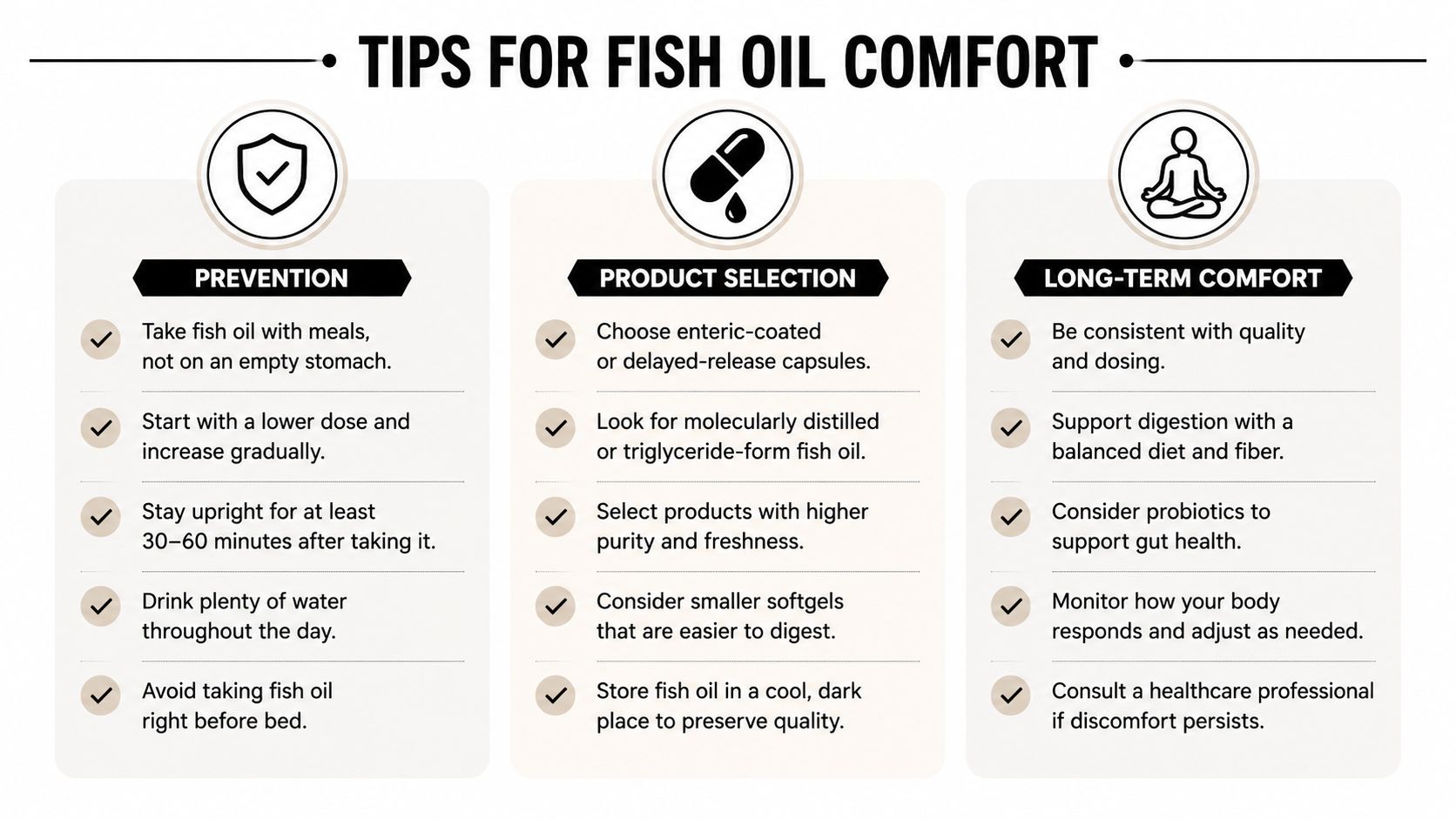
When diet is part of the skin picture, omega-3 support can fit into a broader plan, but it shouldn't be treated as a substitute for parasite control or diagnosis. The dog who keeps itching in the same pattern usually needs a routine, not a one-time product.
Read labels like a cautious buyer
Good pet skin products usually keep the ingredient list short and avoid heavy fragrance, alcohol, and harsh human-style additives. For irritated skin, pH-balanced formulas made for dogs are a better fit than repurposed human products that weren't designed for canine skin.
Evo Dyne Products carries a styptic powder for dogs that's used for grooming cuts and to help stop bleeding, which fits the broader goal of keeping minor grooming mishaps from turning into another skin problem. That's the kind of practical, narrow-use product that belongs in an actual dog care cabinet.
Put the routine together
Use flea control, a correct bath cadence, a cautious product label check, and a plan for rechecks if the itch returns. If the dog starts licking one spot harder, smelling different, or acting uncomfortable, treat that as a signal to move from home care to diagnosis.
If you want dog skin care products that fit a safety-first routine, visit Evo Dyne Products and look for practical options that support grooming, minor wound care, and everyday home maintenance. The right supplies won't replace a veterinary diagnosis, but they can help you handle the small stuff cleanly while you watch for the signs that need a clinic.