
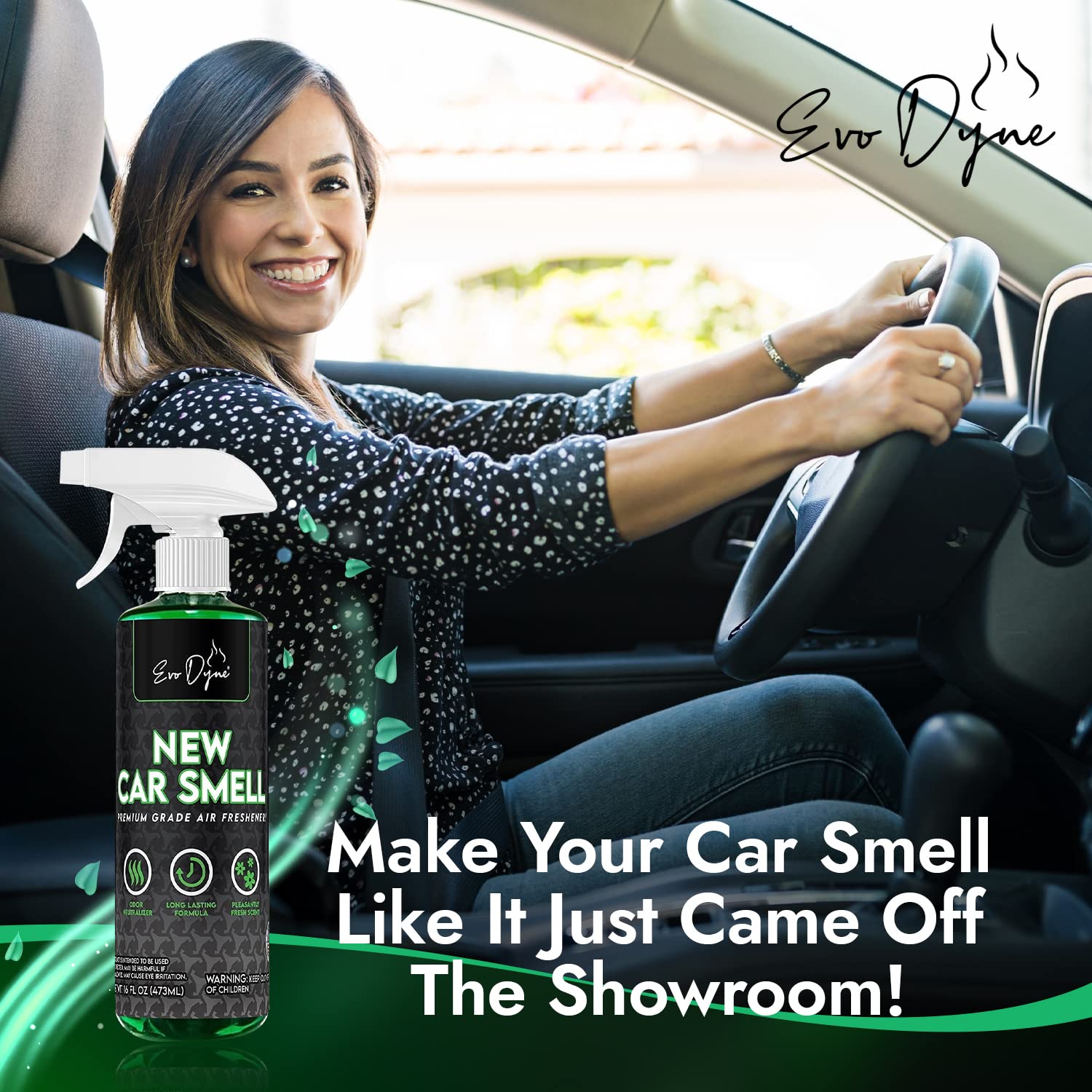

That stale smell usually shows up at the worst time. You open the car door before work and catch yesterday's drive-thru order. Or you tidy the living room, step back, and realize the room still smells damp, pet-heavy, or faintly like last night's dinner.
Many consumers reach for one of two familiar fixes. A spray provides a quick burst of freshness, while a hanging freshener offers a steady scent in the background. Both can help, but they do not work the same way, and they do not fit the same situations.
Air Freshener Sprays vs. Hanging Fresheners: Which Works Better? The honest answer depends on what you need most. Fast odor coverage. Low-maintenance scent. Better control in a small space. Or a choice that feels more comfortable for a home with kids, pets, or anyone sensitive to fragrance.
That Lingering Odor Has Finally Met Its Match
A stubborn odor can feel bigger than it is. One wet umbrella in the back seat, a gym bag left overnight, or the smell of fried food drifting through a hallway can make a clean space feel dirty.
That's why sprays and hanging fresheners stay popular. They solve slightly different problems, even when they're sitting on the same store shelf. One is built for speed. The other is built for steady release.

A good comparison starts with real life. Say your car smells like takeout and coffee before a morning carpool. A hanging freshener may help keep the cabin smelling pleasant over time, but it probably won't change the situation in the next minute. A spray might. Now flip the scenario. Your commuter car doesn't smell bad, but you want it to keep a light scent all week without thinking about it. That's where a hanging product often feels easier.
Practical rule: If the odor is bothering you right now, speed matters more than longevity.
There's another part people often skip. These products also create different air exposure patterns. A spray gives you a short, stronger burst. A hanging freshener releases scent slowly over time. That difference matters in small bathrooms, bedrooms, and closed car cabins where people spend time breathing the same air.
Choosing well isn't just about which one smells nicer. It's about matching the product to the room, the timing, and the people using the space.
How Sprays and Hanging Fresheners Actually Work
The easiest way to understand the difference is this. A spray is like a flash of lightning. A hanging freshener is like a candle. One hits fast and bright. The other builds a steady presence.

How sprays deliver scent
When you press a spray bottle, the product disperses into the air quickly. That burst creates a stronger scent impression right away. According to Hotel Collection's explanation of room sprays and air fresheners, sprays generally outperform hanging fresheners for immediate odor suppression because they deliver an aerosolized, high-concentration burst over a small air volume, creating rapid perceived freshness but with shorter persistence.
That last part matters. The freshness is often immediate, but it doesn't usually last as long without another application.
Sprays also give you more direct control. You can use one or two bursts near a trash can, by the entryway after a rainy afternoon, or inside a car just before passengers get in. You decide when it happens and how much to use.
How hanging fresheners release scent
Hanging fresheners work passively. The scented material gradually releases fragrance into the surrounding air. There's no button to press and no instant cloud. The scent builds more slowly and tends to stay present in the background.
That's why they're common in cars, closets, mudrooms, and laundry areas. You hang one up and let it do its job without daily effort. The tradeoff is that the intensity is less precise. Heat, airflow, and placement can change how noticeable the scent feels.
If your car sits in the sun, the fragrance may seem stronger. If the weather cools down, the same freshener may feel weaker.
A short visual can help make the difference even clearer:
The key confusion people have
Many shoppers compare these products as if they're competing for one job. They're not. They solve different odor problems.
- Sprays work best when you need a fast reset.
- Hanging fresheners work best when you want a low-effort background scent.
- Neither one fixes the source of an odor on its own if the cause is still there, like damp fabric, food residue, pet bedding, or a dirty floor mat.
They're scent tools, not magic erasers.
Once you understand that basic mechanic, the rest of the comparison gets much easier.
Comparing Sprays and Hanging Fresheners Side-by-Side
You open the car door before work and get hit with last night's takeout. Later, the hallway at home smells a little like wet dog. Both products can add fragrance, but they do not expose the air in the same way, and that difference affects convenience, coverage, and who in the household may tolerate them well.

Immediate impact
Sprays usually handle urgent odor problems better.
A spray works like flipping on a flashlight in a dark room. You get coverage right away, in the spot you choose. That matters after a bathroom visit, a food spill in the car, or muddy gear tossed near the entryway. You can respond fast instead of waiting for fragrance to slowly build.
A hanging freshener is slower by design. It is better at keeping a space from drifting stale than at rescuing a space that already smells bad.
Scent longevity
Hanging fresheners usually last longer in day-to-day use because they keep releasing fragrance a little at a time.
That steady release can be helpful in cars, closets, and small areas where you want a background scent without remembering to reapply anything. The trade-off is that the scent is always present to some degree. If a child, guest, or pet is sensitive to fragrance, that constant exposure may matter more than people expect.
Sprays tend to fade faster, especially in a room with open windows or a car with frequent door opening. The upside is simple. The scent is there when you choose it, not all day by default.
Control over air exposure
This is the category many shoppers miss.
With a spray, you control the timing, the amount, and the direction. You can use one light burst near a trash can, skip soft surfaces, and avoid spraying around a pet bed or child seat. That makes sprays easier to limit in homes where fragrance tolerance varies from person to person.
Hanging fresheners trade that control for convenience. Once opened, they keep releasing scent into the surrounding air. Heat, sun, and airflow can make them smell stronger than expected, especially in a parked car. In practical terms, a hanging freshener is more like leaving a low-volume speaker on all day, while a spray is more like pressing play only when needed.
If you are choosing specifically for a vehicle, a guide to the best car air freshener spray options for quick odor control can help you compare products built for smaller, enclosed spaces.
Cost and day-to-day value
Value depends less on price tag alone and more on how you freshen your space.
A spray often makes sense for occasional odor problems because you use it only when there is a reason. A hanging freshener can feel like the better deal if you want one small area to stay lightly scented with almost no effort. The hidden cost is less flexibility. If the scent becomes too strong, your options are limited unless you move it, cover it, or remove it.
A quick side-by-side view makes the trade-offs clearer:
| Decision factor | Spray | Hanging freshener |
|---|---|---|
| Best for urgency | Excellent | Limited |
| Best for ongoing scent | Moderate | Strong |
| Control over exposure | High | Lower |
| Maintenance effort | Higher | Low |
Which one fits your routine
A family dealing with pet odors, cooking smells, and different scent preferences often does better with a spray because use can stay targeted and occasional.
A daily commuter may prefer a hanging freshener in the car because it asks for very little attention. Even then, placement matters. In a small enclosed cabin, continuous fragrance can feel much stronger than the same product would in a larger room.
Best fit: Choose a spray if you want short, controlled bursts. Choose a hanging freshener if you want steady background scent and you are comfortable with constant air exposure.
The Best Use Cases for Air Freshener Sprays
Sprays shine when timing matters. They're the product you reach for when a smell has already announced itself and you want the room or car to feel fresher fast.
Moments when a spray makes the most sense
After cooking is a classic example. If dinner included fish, onions, or fried food, you may not want to wait around for a slow fragrance release. A few targeted sprays can help shift the smell in the room while you open a window and wipe down surfaces.
Bathrooms are another strong use case. A hanging freshener can keep a bathroom smelling pleasant overall, but when you need immediate freshness between uses, a spray is usually more practical.
Cars create the same need for speed. Maybe you tossed sports gear in the trunk, spilled coffee on the mat, or picked up takeout on the way home. In those moments, a spray gives you a quick reset before the next trip.
Why sprays work better in these scenarios
The main advantage is control. You decide:
- When to use it so you're not adding scent all day when you don't need it
- Where to aim it such as near a trash can, floor mat, or entry area
- How much to use which helps avoid an overpowering result
That flexibility is especially useful in family spaces where scent preferences vary from person to person.
Good real-world examples
- Before guests arrive: Freshen the hallway, powder room, or living room after cooking.
- After a wet-weather commute: Reset the smell in the car once damp jackets and umbrellas come out.
- Laundry and mudroom touch-ups: Use a quick burst after shoes, sports bags, or pet towels start adding a stale note.
If you're choosing a spray specifically for vehicle use, this guide to the best car air freshener spray can help you narrow down what to look for.
Sprays work best when you want freshness on your schedule, not a product's schedule.
The Best Use Cases for Hanging Air Fresheners
Hanging fresheners are better for maintenance than rescue. They suit spaces that don't have a major odor problem but benefit from a consistent background scent.
Where hanging fresheners fit naturally
Cars are the most familiar example. If you drive the same vehicle every day and want it to smell pleasant without remembering to do anything, a hanging freshener is an easy match. It sits in place and keeps releasing fragrance on its own.
Closets and small storage areas are another good fit. These spaces can get stuffy without necessarily smelling dirty. A hanging freshener can help keep them from feeling closed-in.
Laundry rooms also make sense, especially if the room is small and you want a light scent in the background rather than a sharp burst.
According to Imperial Dade's guidance on air freshener placement, hanging fresheners are efficient for long-duration exposure because passive diffusion continues without user action, but they do not remove odor molecules; they mainly mask them. Their performance is bounded by evaporation kinetics and ambient ventilation, making their scent release variable in different temperatures.
Why people like them
The appeal is simple:
- Low effort: Hang it once and let it work.
- Steady presence: The scent doesn't depend on remembering to spray.
- Useful for routine spaces: Great for areas that need maintenance, not emergency treatment.
A few smart expectations
A hanging freshener won't do much for a strong, active odor source. If there's mildew in a towel pile, food residue under a seat, or pet odor trapped in fabric, the better first move is cleaning and ventilation.
A hanging freshener is best when the space is already fairly clean and you want it to stay pleasant.
It also helps to think about placement. In a car, airflow and heat can change scent strength. In a cooler closet, the same product may seem softer and last longer. In a warm cabin, it may feel stronger at first and fade faster.
That doesn't make the product unreliable. It just means passive scent release depends more on the environment than people expect.
What You Are Really Breathing In
This is the part many comparisons skip. It's not just about which product smells stronger or lasts longer. It's also about how fragrance enters the air and how that fits your household.

The exposure pattern matters
A spray creates a short, stronger pulse in the air. A hanging freshener creates a lower but more continuous background release. Neither pattern is automatically right or wrong for every home or car. The better choice depends on the space, the ventilation, and the people breathing that air.
This matters more than many shoppers realize. According to peer-reviewed research on fragranced consumer products, approximately 20.4% of the U.S. population reports health problems when exposed to air fresheners and deodorizers. The same research notes specific reported effects including 9.5% respiratory problems, 7.6% mucosal symptoms, 7.2% migraine headaches, 5.7% skin problems, 4.7% asthma attacks, and 3.2% neurological problems.
That doesn't mean every person will react, and it doesn't mean every product affects every household the same way. It does mean sensitivity is common enough to take seriously.
Who should think more carefully
Some homes need extra caution, especially when you have:
- Young children who spend a lot of time in enclosed rooms
- Pets that stay close to floors, fabrics, and smaller spaces
- Family members with asthma, migraines, or fragrance sensitivity
- Poorly ventilated areas like small bathrooms, closets, or closed vehicles
Research background on fragrance products also notes that air fresheners can release compounds into indoor air, and enclosed spaces can make those emissions more relevant to comfort and tolerance.
A practical way to choose more safely
If you want the most cautious approach, keep these habits in mind:
- Use the minimum effective amount. More scent isn't always better.
- Ventilate first when possible. Open windows, run a fan, or remove the odor source.
- Match the product to occupancy. A quick spray may make more sense than constant scent in some enclosed spaces, while a mild passive product may feel gentler than repeated spraying in others.
- Watch for reactions. If someone gets headaches, coughing, or irritation, stop using the product and reassess.
The safest odor strategy usually starts with cleaning and airflow, then uses fragrance as a light finishing step.
That approach is calmer, more effective, and easier on people who are sensitive to what lingers in the air.
The Final Verdict So Which Freshener Wins
You walk into a car after soccer practice or open a bathroom door after a busy morning. The smell is there now, and what you need most is not the same in both spaces.
Sprays win when the problem is immediate and specific. Hanging fresheners win when the goal is a steady scent with very little effort. A spray works like opening and closing a faucet. You control when it starts, how much you use, and when it stops. A hanging freshener is closer to a slow-release soap bar. It keeps giving off fragrance bit by bit, whether the room or car needs it at that moment or not.
That difference matters more than people often realize. The better choice is not just about which product smells stronger or lasts longer. It is also about how often the air is exposed, who is breathing that air, and how much control you want in a shared space with children, pets, or anyone sensitive to fragrance.
For quick odor problems, choose a spray.
For ongoing background scent in a space that tolerates it well, choose a hanging freshener.
If safety and comfort are high on your list, especially in small or enclosed spaces, sprays often have the edge because you can use a small amount and then let the scent clear. Hanging fresheners can be convenient, but they keep adding fragrance to the air over time, which is not ideal for every household or every car.
So which freshener wins? The one that fits the space, the odor, and the people living with it. In many homes, the smartest approach is simple: remove the source of the smell first, then use the lightest fragrance option that gets the job done.
Your Air Freshener Questions Answered
Can I use a spray and a hanging freshener at the same time
Yes, but use restraint. Layering can become too strong quickly, especially in a car or small room. If you combine them, keep the hanging scent mild and use the spray sparingly.
Are sprays or hanging fresheners better for pet households
That depends on the space and your pet's sensitivity. In many homes, a lightly used spray gives more control because you can apply it only when needed instead of keeping fragrance in the air all day. Either way, keep products away from pet bedding, food areas, and direct contact points.
Will either one actually remove odors
Usually, no. In most cases, they mask odors rather than remove the source. If the smell comes from damp fabric, trash, spills, or dirty upholstery, cleaning the source is what solves the problem.
Is a spray safe to use around car interiors
Used carefully, it can be. Don't soak leather, screens, dashboards, or controls. Mist into the air or onto appropriate surfaces only if the product directions allow it, then let the space air out.
What's the smartest choice for a small enclosed car
Go with control. In a tightly enclosed cabin, many people prefer using a small amount of spray only when needed, while others prefer a very mild hanging freshener. The better option is the one that keeps the scent comfortable, not constant or overpowering.
If you want air care products made with the same practical, quality-first mindset as the rest of your home and car essentials, browse Evo Dyne Products. You'll find thoughtfully made solutions for everyday care, including car air freshener options designed to help your space feel clean, comfortable, and easy to live with.